
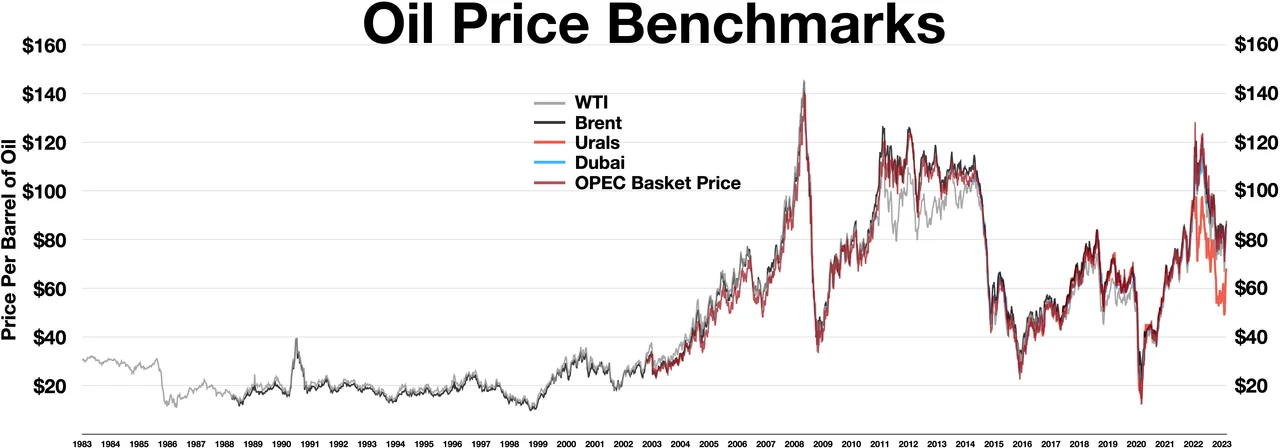
The oil price rise is creating significant challenges for government bonds, as investors react to fluctuating market conditions. This increase in oil prices raises concerns about inflation and economic stability.
Understanding the Oil Price Rise
The recent oil price rise has raised significant concerns among investors, particularly regarding its impact on government bonds. As crude oil prices continue to climb, the implications for inflation and interest rates become increasingly pronounced. Higher oil prices often lead to increased costs for consumers and businesses, which can trigger a broader inflationary trend.
In turn, central banks may respond by raising interest rates to combat inflation, putting additional pressure on government bonds. When interest rates rise, the prices of existing bonds typically fall, creating potential losses for bondholders. Furthermore, a sustained increase in oil prices could exacerbate fiscal challenges for governments, particularly those heavily reliant on oil revenues.
Analysts are closely monitoring these developments, as the interplay between rising oil prices and government bond markets could shape economic forecasts for the coming months.
Impact on Government Bonds
The recent oil price rise has sparked concerns about its impact on government bonds. As oil prices climb, inflationary pressures often follow, which can lead to a rise in interest rates. This dynamic creates a challenging environment for bond investors.
Specifically, the effects can be summarized as follows:
- Increased Borrowing Costs: Governments may face higher costs to service their debt, leading to potential downgrades in credit ratings.
- Market Volatility: Investors may react negatively to rising inflation expectations, causing fluctuations in bond prices.
- Shift in Investment Strategies: Some investors might pivot towards equities or commodities, seeking better returns amid uncertain bond markets.
Ultimately, the oil price rise poses significant challenges for government bonds, compelling investors to reevaluate their strategies in an evolving financial landscape.
Market Reactions to Oil Prices
The recent oil price rise has sent shockwaves through the financial markets, prompting varied reactions from investors and analysts alike. As oil prices climb, concerns about inflation and economic stability have intensified, particularly affecting government bonds.
Market participants are closely monitoring the following factors:
- Inflationary Pressures: Rising oil prices typically lead to increased costs for consumers and businesses, potentially spurring inflation.
- Central Bank Policies: Higher inflation may prompt central banks to adjust interest rates, impacting bond yields.
- Investor Sentiment: The uncertainty surrounding oil price fluctuations can lead to volatility in bond markets, affecting investor confidence.
As the situation continues to evolve, the ramifications of the oil price rise will be closely observed, with many anticipating further shifts in the investment landscape.
Inflation Concerns Explained
The recent oil price rise has intensified inflation concerns among economists and investors alike. As oil prices surge, the cost of goods and services typically follows suit, leading to increased prices across the board. This inflationary pressure is particularly challenging for government bonds, which tend to underperform in high-inflation environments.
Several factors contribute to these inflation concerns:
- Increased production costs: Higher oil prices lead to elevated transportation and manufacturing expenses.
- Consumer spending: As prices rise, consumers may cut back on discretionary spending, impacting economic growth.
- Interest rates: Central banks may respond to rising inflation by increasing interest rates, further affecting bond prices.
Overall, the oil price rise not only affects the immediate market conditions but also raises long-term concerns regarding the stability of government bonds.
Investor Strategies During Price Increases
As the oil price rise continues to create uncertainty in the financial markets, investors are reevaluating their strategies to navigate this turbulent environment. The correlation between rising oil prices and increased inflation has led many to explore alternative asset classes. Here are some strategies that investors might consider:
- Diversification: Spreading investments across various sectors can mitigate risks associated with volatile commodities.
- Focus on Inflation-Protected Securities: Bonds that offer inflation protection, such as Treasury Inflation-Protected Securities (TIPS), may provide a hedge against rising prices.
- Energy Sector Investments: Investing in energy stocks or ETFs may capitalize on the benefits of higher oil prices.
- Short Selling Bonds: Some investors might consider shorting government bonds, anticipating that their values will decline as interest rates rise.
Ultimately, adapting to the impacts of the oil price rise will be crucial for maintaining portfolio stability.
Global Economic Implications
The recent oil price rise has far-reaching implications for the global economy, affecting various sectors and financial instruments. As oil prices surge, costs for transportation and manufacturing increase, leading to higher consumer prices and potential inflationary pressures. This situation can significantly impact economic growth, as businesses may reduce investments or cut back on hiring due to increased operational costs.
Furthermore, central banks may respond to rising inflation by tightening monetary policy, which can lead to increased interest rates. The combination of higher oil prices and rising rates may create a challenging environment for government bonds, which traditionally attract investors during economic uncertainty.
In this context, market participants are closely monitoring the ripple effects of the oil price rise, as it could ultimately shape investment strategies and economic forecasts in the months to come.
Future Predictions for Oil Prices
As analysts look ahead, the future predictions for oil prices indicate a continuation of volatility. The recent oil price rise has raised concerns among investors, prompting reevaluation of strategies in various sectors.
Experts suggest several factors will influence oil prices in the coming months:
- Geopolitical Tensions: Ongoing conflicts and sanctions can lead to supply disruptions.
- OPEC Decisions: Production cuts or increases by OPEC nations will significantly impact price trends.
- Economic Recovery: As global economies recover, demand for oil may surge, further driving prices up.
- Alternative Energy Sources: The shift towards renewable energy could influence long-term oil demand.
Ultimately, the interplay of these factors will determine whether the current oil price rise is a temporary spike or a sign of longer-term trends.
Expert Opinions on Market Trends
Experts are closely analyzing the current oil price rise and its implications for various financial markets. According to economist Jane Smith, “The surge in oil prices is likely to lead to increased inflation, which can erode the value of government bonds.” This sentiment is echoed by analyst John Doe, who notes that rising energy costs may lead to tighter monetary policies.
Many believe that the oil price rise could trigger a shift in investor sentiment, prompting a move away from traditional safe-haven assets. As energy prices climb, bond yields may have to increase to attract buyers, putting additional pressure on already strained markets.
Investment strategist Emily Johnson warns, “Long-term bonds may become particularly vulnerable in this environment as rising rates could lead to significant price drops.” As the situation evolves, the interplay between oil prices and government bonds remains a key focus for financial analysts and investors alike.
via Wikimedia Commons
Read the original
Financial Times · Oil price hike
Related stories
Renault Triber turbo-petrol: The Best Engine Upgrade Revealed · Honor Magic 9 Price: Best Features and Specifications Revealed · BYD Atto 1: The Best Affordable EV with Proven Features