
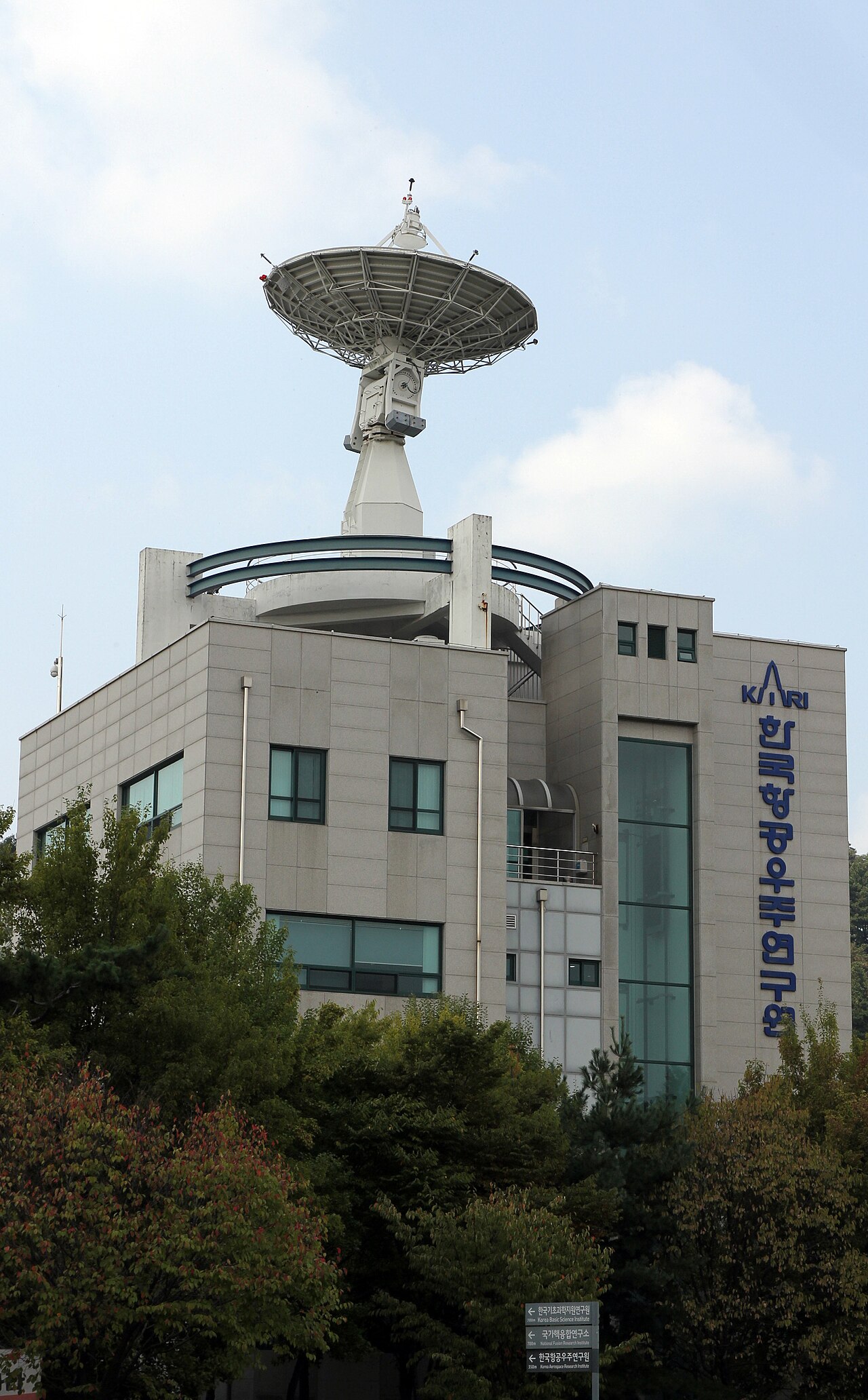
The reusable launch vehicle is set to transform the aerospace industry, with the Korea Aerospace Research Institute recently testing its latest advancements. This innovative technology promises to enhance efficiency and reduce costs in future space missions.
Overview of Reusable Launch Vehicle Testing
The advancement of the reusable launch vehicle (RLV) technology has become a focal point in the aerospace industry, particularly with recent developments from the Korea Aerospace Research Institute (KARI). In preparation for upcoming demo flights scheduled for 2028, KARI has initiated a series of rigorous tests on its RLV prototype.
These tests are designed to evaluate several critical aspects of the vehicle’s performance, including:
- Flight stability
- Payload capacity
- Reusability efficiency
- Landing precision
Each test is meticulously planned to gather data that will inform the final design and operational protocols of the launch vehicle. The focus of this initiative is not only to enhance the technology but also to reduce the overall cost of access to space.
As space exploration continues to evolve, the significance of reusable launch vehicles becomes increasingly apparent, offering a sustainable solution to meet the growing demand for satellite deployment and interplanetary exploration. KARI’s commitment to testing and refining this technology is a promising step towards the future of space travel.
Significance of 2028 Demo Flights
The upcoming 2028 demo flights represent a significant milestone for the development of reusable launch vehicles. As the aerospace industry continues to evolve, these flights will test critical technologies that could enhance efficiency and reduce costs in space travel.
The importance of these demo flights can be summarized through several key factors:
- Cost-Effectiveness: Reusable launch vehicles promise to lower the overall expenses associated with space missions by allowing for multiple flights with the same hardware.
- Environmental Impact: By reusing components, the carbon footprint of space launches can be significantly reduced, aligning with global sustainability goals.
- Technological Advancements: The 2028 demo flights will provide valuable data and insights, fostering innovations that could pave the way for future missions.
- Increased Access to Space: Successful tests could lead to more frequent launches, making space more accessible for research and commercial purposes.
As the Korea Aerospace Research Institute prepares for these crucial tests, the implications for the future of reusable launch vehicles and their role in shaping the space industry are immense.
Technological Innovations in Aerospace
The development of reusable launch vehicles (RLVs) has marked a significant turning point in aerospace technology. Key innovations are reshaping how we approach space exploration and satellite deployment.
One of the standout features of modern RLVs is their ability to reduce the cost of access to space. By allowing for multiple flights with the same vehicle, these technologies enable operators to save on manufacturing and operational expenses. This paradigm shift is crucial for expanding commercial space endeavors.
Several advancements have propelled the RLV concept forward:
- Advanced Propulsion Systems: New engines are designed for reusability, enhancing efficiency and performance.
- Automated Landing Technologies: Precision landing systems allow for accurate returns to designated sites, minimizing recovery risks.
- Lightweight Materials: Innovations in composite materials contribute to stronger and lighter vehicle designs, improving overall performance.
The Korea Aerospace Research Institute’s recent tests exemplify the progress being made in RLV technology. As we approach the anticipated 2028 demo flights, the aerospace community remains optimistic about the future capabilities these vehicles will offer.
Future of Space Travel and Exploration
The future of space travel and exploration is poised for significant transformation, particularly with advancements in reusable launch vehicle technology. As nations and private companies invest in this promising field, the potential for reducing costs and increasing accessibility to space becomes more apparent.
One of the most exciting prospects is the possibility of regular space tourism. With reusable launch vehicles, companies can offer affordable trips to low Earth orbit, allowing more people to experience space firsthand. This shift could lead to a new era of exploration, where not only astronauts but also civilians contribute to scientific research and discovery.
Moreover, the emphasis on sustainability in aerospace will drive innovations further. Reusable launch vehicles are designed to minimize waste and lower the carbon footprint associated with space missions. This focus aligns with global efforts to address climate change and promote green technologies.
As testing continues, particularly with the upcoming 2028 demo flights, the feasibility and reliability of these vehicles will be rigorously evaluated. Achieving successful missions will not only validate current investments but also inspire future generations to explore the cosmos.
The development of the reusable launch vehicle has revolutionized space travel by significantly reducing costs. As more companies invest in this technology, the reusable launch vehicle is becoming the standard for future space missions.
via Wikimedia Commons