
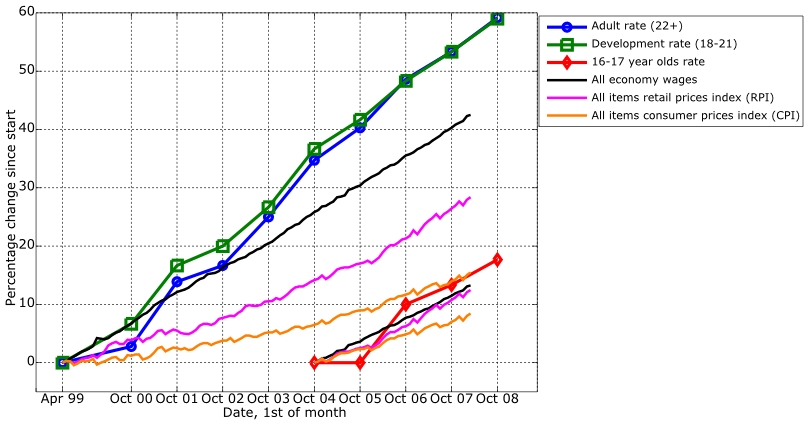
minimum wage changes are set to impact Ontario this October. This article outlines the key updates, including heating rules and other financial adjustments that residents should be aware of.
Understanding the Minimum Wage Changes
As Ontario residents prepare for the upcoming changes this October, it is essential to understand the minimum wage changes that will impact many workers across the province. The increase in the minimum wage aims to ensure that employees can better meet their basic needs amid rising living costs.
These changes are part of a broader effort by the government to promote fair wages and improve the overall quality of life for workers. Here are some key points to consider:
- New Rates: The minimum wage will see a significant increase, which may provide relief to low-income earners.
- Implementation Date: The new rates will take effect on October 1, giving employers time to adjust their payroll systems.
- Impact on Industries: Some sectors, particularly hospitality and retail, will feel the effects of these changes more acutely.
- Employee Rights: Workers are encouraged to familiarize themselves with their rights regarding wage adjustments and any potential changes in their employment contracts.
Overall, these minimum wage changes are a step towards creating a fairer work environment in Ontario.
Impact of Heating Rules in Ontario
The recent minimum wage changes in Ontario are not the only updates affecting residents this October. New heating rules have also been implemented, which may have significant implications for households across the province. These regulations aim to ensure that residents can maintain a comfortable living environment during the colder months.
The heating rules include:
- Mandatory Temperature Standards: Landlords are now required to maintain a minimum temperature in rental units to promote safety and well-being.
- Energy Efficiency Requirements: Property owners must implement energy-efficient practices to reduce costs and environmental impact.
- Increased Tenant Rights: Tenants now have greater rights regarding heating issues, including prompt repairs and accountability for landlords.
These changes, alongside the recent minimum wage changes, are designed to improve the quality of life for Ontario residents. As households navigate these updates, understanding both sets of regulations will be crucial in managing finances and ensuring a stable home environment this winter.
Key Financial Updates for October
As October unfolds, Ontario residents are facing several important financial updates that could impact their budgets. One of the most significant changes is the adjustment to the minimum wage, which is set to affect many workers across the province.
The following are key financial updates for October:
- Minimum Wage Changes: The provincial government has announced an increase in the minimum wage, aimed at supporting workers and addressing inflationary pressures.
- Tax Adjustments: New tax brackets will be implemented, potentially affecting take-home pay for individuals and families.
- Utility Costs: Residents may notice fluctuations in their utility bills due to changes in energy rates and new heating regulations.
- Childcare Support: Enhanced funding for childcare programs will take effect, providing additional financial relief for parents.
These updates highlight the ongoing efforts to adapt to economic changes and improve living standards for Ontarians. Residents are encouraged to stay informed about how these changes may affect their financial situations.
What Residents Need to Know
As Ontario residents brace for the upcoming minimum wage changes, it’s vital to stay informed about how these adjustments may affect daily life and financial planning. The Ontario government has instituted a series of changes that will come into effect this October, bringing both opportunities and challenges for workers and employers alike.
Here are some key points residents should keep in mind:
- Increased Pay: The minimum wage will rise, providing a much-needed boost for low-income workers. This change aims to help those struggling to make ends meet.
- Cost of Living: With the increase, residents should consider how rising costs in other areas, such as housing and utilities, may offset the benefits.
- Employer Adjustments: Businesses may need to reassess their budgets and pricing strategies to accommodate the new wage standards.
- Resources Available: Local organizations are offering support and guidance for both workers and employers navigating these changes.
Staying informed about these minimum wage changes will empower residents to make smart financial decisions in the coming months.
How These Changes Affect You
The recent minimum wage changes in Ontario are set to have a significant impact on the lives of many residents. As the wage floor increases, employees across various sectors will see a boost in their earnings, which can help alleviate financial pressures caused by rising living costs.
Here are some key ways these changes may affect you:
- Increased Income: Workers earning minimum wage will receive a higher paycheck, providing more financial flexibility for everyday expenses.
- Employer Adjustments: Businesses may need to revise their salary structures to maintain competitiveness, which could lead to wage increases for those earning above the minimum as well.
- Cost of Living: While higher wages can benefit workers, it’s essential to consider that some businesses might respond by raising prices, potentially offsetting the gains.
- Job Opportunities: The changes could encourage employers to adjust hiring practices, creating new job opportunities in the market.
Staying informed about these minimum wage changes is crucial for residents looking to navigate the evolving economic landscape in Ontario.
Advice for Navigating New Regulations
As Ontario residents prepare for the upcoming minimum wage changes, it’s essential to take proactive steps to navigate the new regulations effectively. Here are some tips to help you adjust to these changes:
- Stay Informed: Regularly check updates from the Ontario government regarding minimum wage changes and related policies. This will ensure you are aware of any shifts that may affect your earnings.
- Review Your Budget: With potential changes in income, re-evaluating your financial plan can help you manage your expenses better. Consider adjusting your budget to accommodate any fluctuations in your earnings.
- Communicate with Employers: If you work for an employer affected by the minimum wage changes, don’t hesitate to discuss how these changes may impact your role and compensation.
- Seek Advice: Consider consulting with financial advisors or local community organizations that offer resources and support for workers navigating these regulations.
By staying informed and proactive, residents can better adapt to the evolving financial landscape in Ontario.
Future Outlook for Ontario’s Economy
The future outlook for Ontario’s economy remains a topic of interest, particularly in light of the recent minimum wage changes. As businesses adapt to the new wage standards, various sectors may experience shifts in hiring practices and consumer spending. Analysts predict that these adjustments could lead to both challenges and opportunities for workers and employers alike.
With the increase in minimum wage, employees may see improved living standards, which could stimulate local economies through increased spending. However, some businesses, especially small enterprises, might struggle to absorb the higher labor costs, potentially leading to price increases or reduced workforce hours.
Key factors influencing the future economy include:
- The response of businesses to the new wage requirements
- Potential inflationary effects due to rising costs
- Changes in consumer behavior as disposable income shifts
Ultimately, the interaction between minimum wage changes and these economic factors will play a crucial role in shaping Ontario’s financial landscape in the coming months.
By Splash via Openverse