
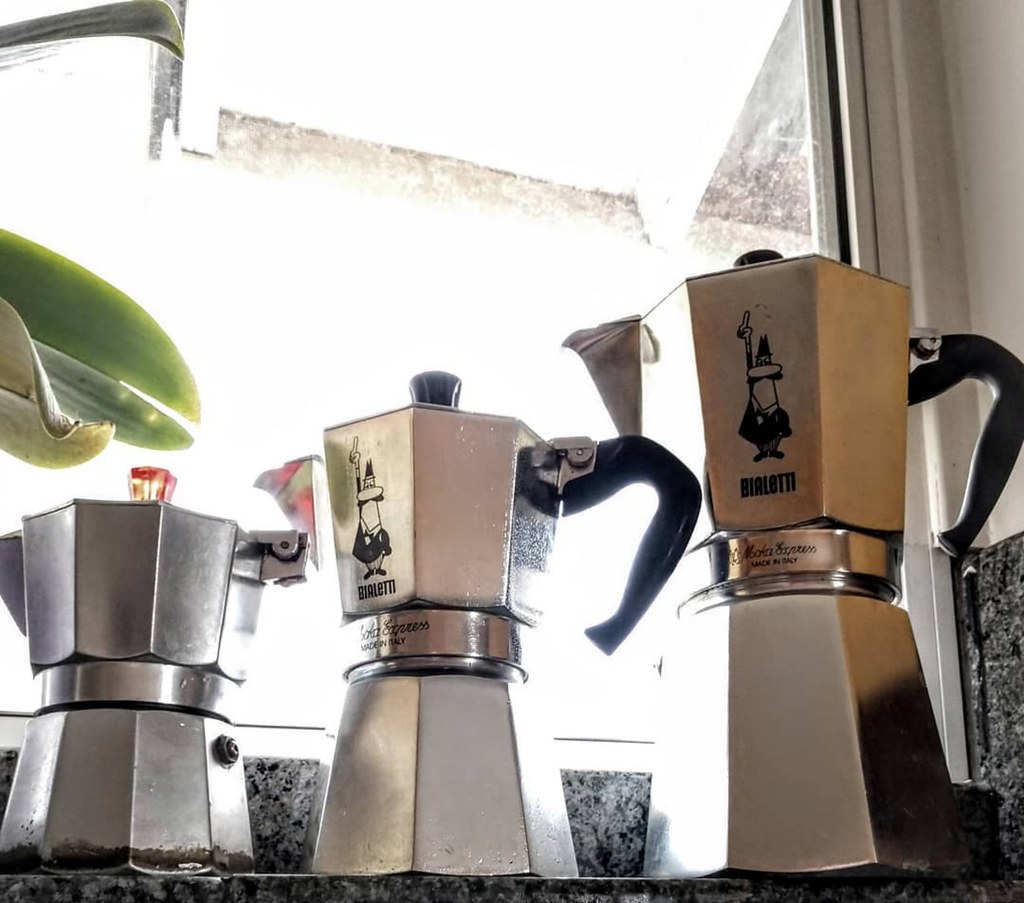
clean coffee maker practices are essential for maintaining a healthy brewing environment. Mold could be lurking in your coffee maker, and it’s crucial to know how to keep it clean.
Why Cleaning Your Coffee Maker Matters
Keeping your coffee maker in top shape is essential for both your health and the quality of your brew. Over time, coffee makers can accumulate oils, mineral deposits, and, most concerningly, mold. This buildup can not only affect the taste of your coffee but also pose health risks.
When you brew coffee, the warm and moist environment inside the machine can become a breeding ground for mold and bacteria. Regular cleaning is crucial for preventing this growth and ensuring that your coffee remains fresh and flavorful. Here are a few reasons why cleaning your coffee maker matters:
- Health Risks: Mold and bacteria can lead to gastrointestinal issues and other health problems.
- Better Taste: A clean coffee maker ensures that every cup is brewed without any off-flavors from residue.
- Extended Lifespan: Regular maintenance can prolong the life of your coffee maker, saving you money in the long run.
- Efficiency: A clean machine operates more efficiently, meaning faster brewing times and less energy consumption.
- Peace of Mind: Knowing your coffee maker is clean allows you to enjoy your brew without worry.
In summary, regularly cleaning your coffee maker is vital for maintaining both your health and the quality of your coffee. Make it a habit to keep your coffee maker clean to ensure a delicious and safe brewing experience.
Signs of Mold in Your Coffee Maker
Maintaining a clean coffee maker is essential for ensuring the quality of your brew, but it can be difficult to spot the signs of mold that may be hiding within. Here are some common indicators that your coffee maker may be infested with mold:
- Unpleasant Odors: If you notice a musty or sour smell coming from your coffee maker, it’s a strong sign that mold may be present.
- Discoloration: Look for any dark or greenish spots inside the water reservoir or on the coffee grounds basket, which can indicate mold growth.
- Strange Tastes: A moldy machine can affect the taste of your coffee, leading to off-flavors that weren’t there before.
- Visible Mold: If you can see any fuzzy or slimy growth, it’s time to clean your coffee maker thoroughly.
- Frequent Clogs: Mold can accumulate in the inner workings of the machine, leading to issues with water flow and clogging.
These signs are critical to recognize, as mold not only affects the taste of your coffee but can also pose health risks. Regularly inspecting and cleaning your coffee maker can help you avoid these issues and maintain a fresh brewing environment.
5 Proven Ways to Clean Your Coffee Maker
Keeping your coffee maker clean is essential for ensuring that your morning brew remains fresh and mold-free. Here are five proven ways to maintain your clean coffee maker:
- Regular Vinegar Cleaning: Fill the reservoir with equal parts water and white vinegar. Run a brew cycle, then let it sit for 30 minutes before running two cycles with just water to rinse.
- Baking Soda Boost: For a deeper clean, mix 1/4 cup of baking soda with water and run it through your coffee maker. This helps break down any stubborn stains and odors.
- Use Filtered Water: Using filtered water not only improves the taste of your coffee but also minimizes mineral buildup, which can harbor mold.
- Wash Removable Parts: Don’t forget to wash the carafe, filter basket, and any other removable parts with warm soapy water. Rinse thoroughly to avoid soap residue.
- Daily Maintenance: After each use, empty the coffee grounds and rinse the filter basket. Wipe down the exterior and keep the lid open to allow moisture to escape.
By following these steps, you can ensure your clean coffee maker remains in top shape, providing delicious coffee without the worry of mold.
Best Cleaning Products for Coffee Makers
When it comes to maintaining a clean coffee maker, using the right cleaning products can make all the difference. Here are some of the best products to consider for keeping your coffee maker mold-free:
- White Vinegar: A natural disinfectant, white vinegar effectively removes mineral buildup and mold. Running a vinegar solution through your coffee maker can restore its cleanliness.
- Baking Soda: Known for its deodorizing properties, baking soda can help eliminate any residual odors in your coffee maker. Mix it with water and run it through the machine for a thorough clean.
- Citric Acid: This natural acid is effective in breaking down limescale and cleaning the interior of your coffee maker. It’s an eco-friendly alternative to chemical cleaners.
- Commercial Coffee Maker Cleaners: There are various products specifically designed for coffee makers, which can be found in most grocery stores. These cleaners often target mold and mineral build-up efficiently.
- Dish Soap: For the removable parts of your coffee maker, a simple solution of warm water and dish soap can help keep them clean and free from residue.
By incorporating these products into your cleaning routine, you can ensure a clean coffee maker and enjoy fresh, flavorful coffee every time.
How Often Should You Clean Your Coffee Maker?
Maintaining a clean coffee maker is essential for ensuring both the quality of your coffee and your health. But how often should you clean your coffee maker to prevent mold buildup? Experts suggest that the frequency of cleaning depends on your usage and the type of coffee maker you have.
If you use your coffee maker daily, it is recommended to perform a deep clean at least once a month. This includes descaling and thorough cleaning of all removable parts. For those who brew coffee less frequently, consider a deep clean every three months to maintain optimal performance.
In addition to scheduled cleanings, it is essential to rinse your coffee maker and its components after each use. This simple practice can prevent coffee oils and residue from accumulating, which can contribute to mold growth.
Moreover, if you notice any unusual odors or a change in the taste of your coffee, it may be time for an immediate cleaning session. Always ensure that you are using the right cleaning products specifically designed for coffee makers to avoid damaging the appliance.
By adopting these cleaning habits, you can enjoy a fresh brew every time and keep your coffee maker mold-free.
Common Mistakes When Cleaning Coffee Makers
When it comes to maintaining a clean coffee maker, many people unknowingly make mistakes that can lead to mold growth and other issues. Understanding these common pitfalls can help you ensure a consistently clean brewing experience.
- Neglecting Regular Cleaning: One of the biggest mistakes is failing to clean your coffee maker regularly. Even if you use fresh coffee beans, leftover oils and minerals can accumulate, promoting mold growth.
- Using the Wrong Cleaning Products: Some individuals use abrasive cleaners or harsh chemicals that can damage the coffee maker’s components. It’s essential to use products specifically designed for cleaning coffee makers.
- Skipping the Filter: Many people forget to clean or replace the water filter regularly. A dirty filter can harbor bacteria and mold, impacting the flavor of your coffee.
- Ignoring the Brew Basket: The brew basket is often overlooked during cleaning. Oils and coffee residue can build up, creating a breeding ground for mold.
- Not Rinsing Thoroughly: After cleaning, failing to rinse out the coffee maker properly can leave behind cleaning solution residues that affect taste and health.
By avoiding these common mistakes, you can maintain a clean coffee maker and enjoy fresh, mold-free coffee every day.
DIY Cleaning Solutions for Coffee Makers
Keeping your coffee maker clean is essential not only for your health but also for the quality of your coffee. Fortunately, there are several DIY cleaning solutions that can help you maintain a clean coffee maker and prevent mold buildup.
- Vinegar Solution: Mix equal parts of water and white vinegar. Run this solution through your coffee maker as if you were brewing a pot of coffee. The acidity of vinegar effectively breaks down mineral deposits and eliminates any mold present.
- Baking Soda Paste: Combine baking soda with a small amount of water to create a paste. Use a soft cloth to scrub the exterior and interior parts of your coffee maker, focusing on any areas prone to buildup.
- Lemon Juice: The natural acidity of lemon juice can also help in cleaning. Mix lemon juice with water and run it through your coffee maker, followed by a few cycles of plain water to rinse.
- Dish Soap and Water: For routine maintenance, simply wash removable parts with warm, soapy water. This helps keep your coffee maker clean and functional.
- Hydrogen Peroxide: A diluted solution of hydrogen peroxide can be used to disinfect surfaces. Just remember to rinse thoroughly afterward.
Using these DIY cleaning solutions will help ensure that your coffee maker remains clean and mold-free, allowing you to enjoy a fresh cup of coffee every time.
Expert Tips for Maintaining Your Coffee Maker
Maintaining a clean coffee maker is essential for ensuring the quality of your brews and preventing mold growth. Here are some expert tips to keep your coffee maker in top shape:
- Regular Cleaning Schedule: Establish a routine for cleaning your coffee maker. Aim to clean it at least once a month, or more frequently if you use it daily. This helps prevent the buildup of oils and residue that can harbor mold.
- Use Filtered Water: Using filtered water not only improves the taste of your coffee but also reduces the mineral buildup that can contribute to mold growth in your machine.
- Disassemble and Inspect: Regularly disassemble your coffee maker and inspect all parts, including the brew basket and carafe. Pay close attention to crevices where mold can hide.
- Dry Thoroughly: After cleaning, ensure all components are completely dried before reassembling. Moisture is a breeding ground for mold, so keeping it dry is crucial.
- Store Properly: If you’re not using your coffee maker for an extended period, store it in a cool, dry place. Avoid sealing it in a cabinet where humidity can accumulate.
By following these tips, you can maintain a clean coffee maker that delivers delicious, mold-free coffee every time.
To maintain a clean coffee maker, it’s essential to follow a regular cleaning schedule. By using these tips, you can ensure your clean coffee maker remains free of mold and bacteria.
By coffee-rank via Openverse
Sources
EV Charging Infrastructure Delhi: 382 New Sites Approved · Mercedes-Maybach S-Class launch: Best Price Expectations Revealed · Seltos Facelift 2023: The Best Look at Kia’s SUV Upgrade