
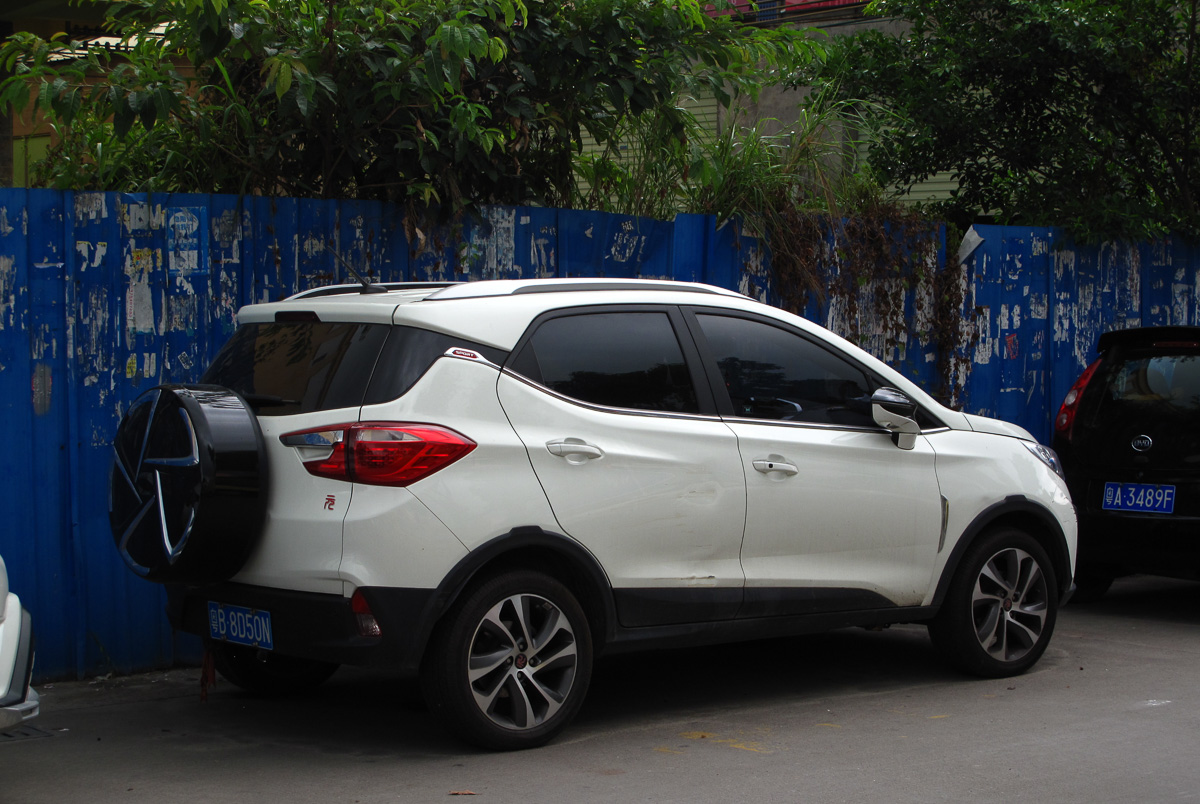
The small electric SUV segment is witnessing significant growth, especially with Hyundai Motor’s latest unveiling for the Chinese market. This new model is set to enhance global exports.
Introduction to Hyundai’s Small Electric SUV
Hyundai has recently unveiled its latest small electric SUV, designed specifically for the Chinese market, with plans for global exports in the near future. This innovative vehicle aims to cater to the growing demand for eco-friendly transportation solutions worldwide. With a sleek design and advanced technology, Hyundai’s new electric SUV is positioned to attract a diverse range of consumers seeking sustainable yet stylish options.
The new model features a compact yet spacious interior, making it ideal for urban environments where space is at a premium. It is equipped with a variety of cutting-edge technologies that enhance the driving experience, including:
- Advanced safety features: Ensuring peace of mind for drivers and passengers alike.
- Smart connectivity: Seamless integration with smartphones and smart home devices.
- Efficient battery technology: Offering an impressive range on a single charge, minimizing the need for frequent recharging.
As car manufacturers increasingly pivot towards electrification, Hyundai’s small electric SUV is poised to set a benchmark in the crowded EV market. The company is optimistic that this model will resonate well with environmentally conscious consumers globally, as it combines practicality with advanced engineering and a commitment to sustainability.
Features of the New SUV
Hyundai’s new small electric SUV is designed to cater to a diverse range of consumers, offering features that enhance both comfort and technology. With a sleek exterior and spacious interior, this vehicle aims to provide an enjoyable driving experience.
Key features of the small electric SUV include:
- Advanced Battery Technology: Equipped with a state-of-the-art battery system, the SUV promises an impressive range on a single charge, making it ideal for urban commuting and long-distance travel.
- Intuitive Infotainment System: The SUV features a modern infotainment system that integrates seamlessly with smartphones, providing navigation, music, and hands-free communication.
- Safety Features: Hyundai has prioritized safety with advanced driver assistance systems, including lane-keeping assist, adaptive cruise control, and automatic emergency braking.
- Spacious Interior: The small electric SUV offers ample cargo space and passenger comfort, ensuring that families and individuals alike can enjoy their journeys.
- Eco-Friendly Materials: Committed to sustainability, the SUV incorporates eco-friendly materials within its interior design, appealing to environmentally conscious consumers.
With these features, Hyundai’s small electric SUV stands out in a competitive market, promising reliability and efficiency for a growing audience.
Market Potential in China
The market potential for small electric SUVs in China is immense, as the country continues to lead in electric vehicle adoption. With a growing middle class and increasing environmental awareness, consumers are increasingly opting for electric vehicles, particularly small electric SUVs that offer practicality and efficiency.
Hyundai’s recent unveiling of its small electric SUV specifically targeted at the Chinese market highlights this trend. The vehicle’s compact design appeals to urban drivers, while its electric capabilities align with government initiatives aimed at reducing pollution and promoting sustainable transportation.
Several factors contribute to the promising market landscape for small electric SUVs:
- Government Incentives: The Chinese government has implemented various subsidies and incentives to encourage the purchase of electric vehicles, making small electric SUVs more financially attractive.
- Infrastructure Development: Rapid expansion of charging infrastructure across urban areas supports the growth of electric vehicle usage, easing concerns over range anxiety.
- Consumer Preferences: There is a noticeable shift in consumer preferences towards environmentally friendly vehicles, with small electric SUVs becoming a desirable choice for families and young professionals alike.
As automakers like Hyundai expand their offerings in the small electric SUV segment, the competitive landscape is likely to evolve, presenting new opportunities for both manufacturers and consumers in this dynamic market.
Global Export Plans
Hyundai Motor has ambitious plans for its small electric SUV, aiming to tap into various global markets. The company is not only focusing on the Chinese market but also preparing for significant exports to regions such as Europe, North America, and Australia. This strategic move is part of Hyundai’s broader commitment to sustainability and innovation in the automotive industry.
As part of their global export plans, Hyundai is investing heavily in production capabilities and supply chain enhancements. The new small electric SUV is expected to meet diverse regulatory standards and consumer preferences across different countries. This adaptability is crucial, given the varying demands and competitive landscapes in each market.
In addition to expanding its presence internationally, Hyundai aims to establish a network of charging infrastructure to support the adoption of electric vehicles. The success of this small electric SUV will not only depend on its features and pricing but also on the availability of convenient charging solutions for consumers.
- European Market: Targeting eco-conscious buyers with competitive pricing.
- North American Market: Focusing on families and technology integration.
- Australian Market: Emphasizing off-road capabilities and rugged design.
By diversifying its export plans, Hyundai aims to position its small electric SUV as a leading choice in the growing electric vehicle segment worldwide.
Comparison with Competitors
When evaluating Hyundai’s new small electric SUV, it’s essential to consider its position in a crowded market filled with various competitors. Notable models such as the Tesla Model Y and the Ford Mustang Mach-E have set high standards in performance and technology. However, Hyundai aims to distinguish its small electric SUV through affordability and practicality.
One of the key advantages of Hyundai’s offering is its competitive pricing, which appeals to budget-conscious consumers. In contrast, many competitors, like the Volkswagen ID.4, though offering similar features, often come with a higher price tag. The small electric SUV from Hyundai promises a balance of features without compromising on cost.
In terms of range, Hyundai’s model is designed to offer an impressive mileage that competes favorably with other vehicles in the segment. For instance, while the Tesla Model Y excels in range, Hyundai’s small electric SUV aims to provide a satisfying alternative that is both practical and efficient for daily use.
Additionally, the interior space and cargo capacity of Hyundai’s small electric SUV are expected to rival those of its competitors, making it a practical choice for families. As the automotive landscape shifts towards electrification, Hyundai’s strategy positions it to capture a significant share of the growing small electric SUV market.
Future of Electric SUVs
The future of electric SUVs looks promising as manufacturers continue to innovate and cater to the growing demand for environmentally friendly vehicles. With a focus on enhancing efficiency and performance, small electric SUVs are becoming a staple in the automotive industry.
Hyundai’s latest offering is poised to lead the charge, reflecting a broader trend in the market. The shift towards small electric SUVs is driven by a combination of consumer preference for compact vehicles and the increasing urgency to reduce carbon emissions. Experts predict that this segment will experience substantial growth over the next decade.
- Technological Advancements: Continuous improvements in battery technology are enhancing the range and efficiency of electric SUVs, making them more appealing to consumers.
- Affordability: As production scales up, the costs of electric vehicles are expected to decrease, allowing more buyers to enter the market.
- Government Incentives: Many countries are offering incentives for electric vehicle purchases, further boosting interest in small electric SUVs.
- Infrastructure Development: The expansion of charging networks is alleviating concerns about range anxiety, making electric SUVs a more viable option for everyday use.
Overall, the future of small electric SUVs appears bright, with Hyundai leading the way in offering a product that meets the needs of both consumers and environmental standards.
By Rutger van der Maar via Openverse