
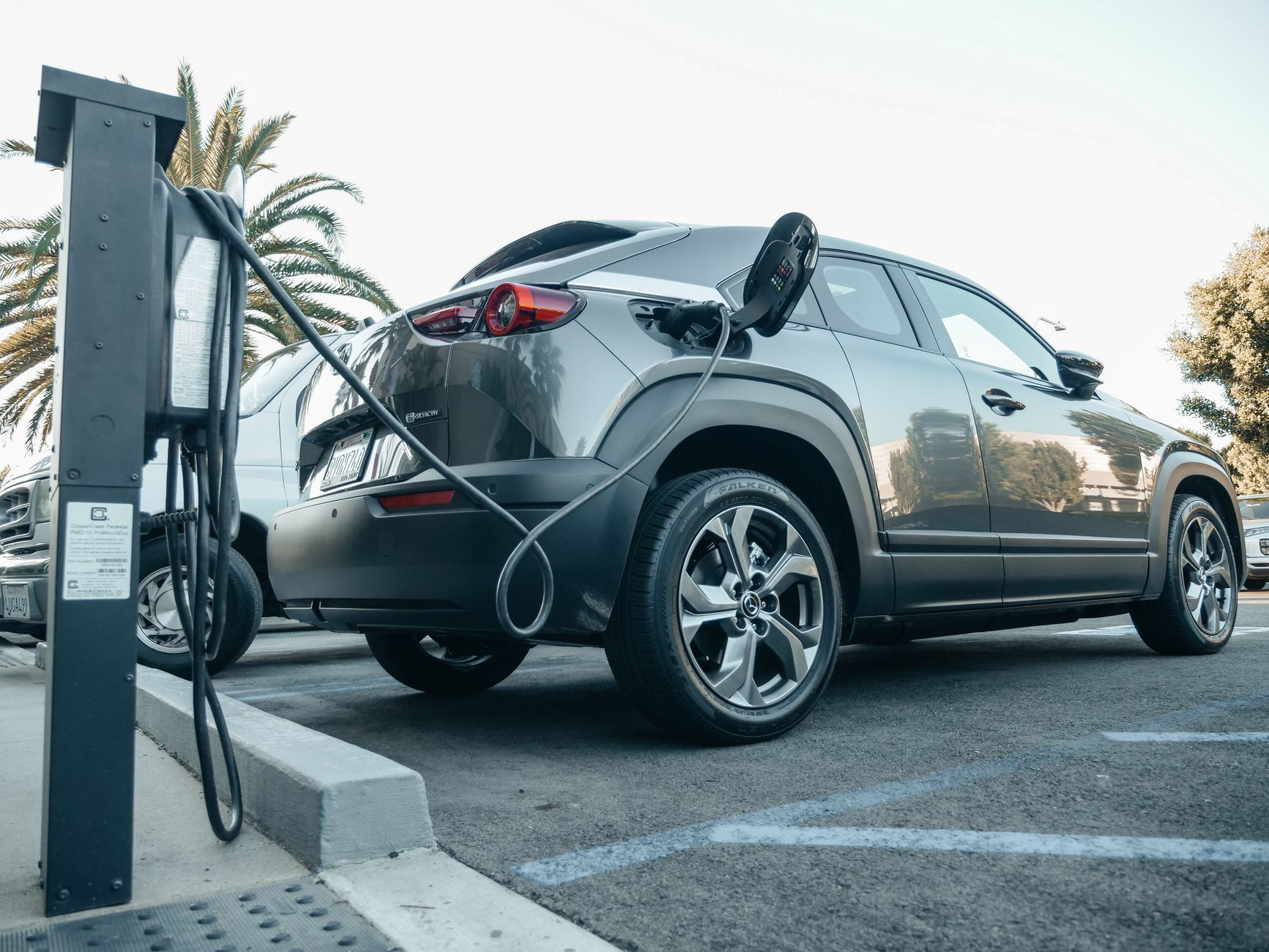
US EV charging costs are significantly impacting the fuel market, creating disparities that vary by state. This situation presents both challenges and opportunities for consumers and the industry alike.
Understanding the Two-Tier Fuel Market
The landscape of fuel consumption in the United States is undergoing a significant transformation, particularly with the rise of electric vehicles (EVs). As more consumers shift towards EVs, understanding the two-tier fuel market has become essential, especially regarding US EV charging costs.
Currently, the cost of charging an electric vehicle can vary dramatically based on geographic location. This disparity creates a two-tier system where:
- High Charging Costs: In states like California and Hawaii, electricity prices are higher, resulting in elevated EV charging costs. Consumers in these areas may find that the expense of charging their vehicles significantly impacts their overall transportation budget.
- Lower Charging Costs: Conversely, states such as Texas and Wyoming offer more affordable electricity rates, making EV charging a cost-effective alternative. This encourages more residents to consider electric vehicles as a viable option.
This variation not only affects individual consumers but also influences the broader fuel market. As EV adoption increases, states with lower charging costs may see a surge in EV registrations, while those with higher costs could struggle to keep pace. Ultimately, the evolution of US EV charging costs will play a critical role in shaping consumer habits and the future of the fuel market.
How Charging Costs Vary by State
The landscape of US EV charging costs is not uniform across the nation, leading to significant variations based on geographical location. Each state has its own infrastructure, energy policies, and charging strategies, which contribute to these disparities.
In some regions, the costs associated with charging electric vehicles are considerably lower, primarily due to the availability of renewable energy sources and government incentives. For instance, states like California and Washington have made substantial investments in charging infrastructure, making it more affordable for EV owners. In these areas, the average cost per kilowatt-hour can be as low as 10 to 15 cents.
Conversely, other states may experience higher charging costs due to a reliance on fossil fuels and less developed charging networks. In places like the Midwest, where the energy grid is less optimized for EVs, costs can rise significantly, sometimes reaching 30 cents or more per kilowatt-hour.
Moreover, the availability of fast-charging stations versus standard chargers also plays a role in pricing. Fast-charging options often carry a premium, reflecting the convenience they offer to drivers on the go. As the EV market continues to grow, understanding how charging costs vary by state will be crucial for consumers making decisions about electric vehicle ownership.
The Impact on EV Adoption Rates
The increasing costs associated with EV charging in the United States are significantly influencing adoption rates among consumers. As potential buyers weigh the benefits of electric vehicles against traditional gasoline-powered cars, the financial implications of charging are becoming a critical factor in their decision-making process.
In states where charging costs are elevated, many consumers remain hesitant to switch to electric vehicles. The perception that EVs may not offer the anticipated savings on fuel is leading to slower adoption rates. Research indicates that consumers are more likely to consider an electric vehicle if charging costs are comparable to or lower than gasoline prices.
Moreover, the disparity in charging costs across different states exacerbates the situation. In states with lower electricity rates, electric vehicles are seen as a more attractive option, while high charging costs in other regions can deter potential buyers. This inconsistency creates a two-tier fuel market, where the economic feasibility of owning an EV varies widely depending on geographic location.
As the US EV charging costs continue to evolve, manufacturers and policymakers must address these discrepancies to encourage broader adoption. This may involve investing in infrastructure and implementing pricing strategies that make EV charging more accessible and affordable for consumers nationwide.
Consumer Reactions to Charging Costs
As electric vehicle (EV) adoption continues to rise across the United States, consumer reactions to the fluctuating costs of EV charging are becoming increasingly significant. Many drivers express a mixture of enthusiasm and concern regarding US EV charging costs, especially as they navigate the various pricing structures associated with charging stations.
Some consumers appreciate the long-term savings associated with owning an electric vehicle, often citing reduced maintenance costs and the lower price of electricity compared to traditional fuel. However, others are frustrated by the inconsistencies in charging costs, particularly when traveling across state lines where fees can vary dramatically.
- “I love my electric car, but sometimes it feels like I’m playing a guessing game with charging fees,” said Maria Thompson, a California resident.
- “In my state, I pay a lot less, but I worry about what will happen when I travel,” noted James Lee, an EV owner from Texas.
These varying costs can create a sense of unease among potential buyers, impacting their decision-making process. Many consumers are advocating for more transparent pricing structures and standardized rates to encourage wider adoption of EVs, highlighting the importance of addressing US EV charging costs as part of the broader conversation on sustainable transportation.
Future Trends in EV Charging Infrastructure
As the electric vehicle (EV) market continues to grow, future trends in EV charging infrastructure are becoming increasingly important to understand. With the rising popularity of EVs, US EV charging costs are expected to evolve, influencing consumer behavior and the overall fuel market.
One key trend is the anticipated expansion of fast-charging networks. These networks aim to reduce charging times significantly, making EVs more convenient for long-distance travel. As investment in infrastructure increases, drivers may find more affordable charging options, potentially lowering overall charging costs.
Additionally, advancements in technology could lead to more efficient charging solutions. Innovations such as wireless charging and integrated home charging systems promise to simplify the charging experience and may introduce competitive pricing models that benefit consumers.
Another trend is the increasing collaboration between private companies and government entities to create a unified charging network. This partnership could streamline the charging process and enhance accessibility across different states, further addressing the disparities in charging costs that currently exist.
Finally, as battery technology improves, the cost to consumers could decrease, making EVs more appealing. Understanding these future trends will be crucial for consumers and stakeholders in navigating the evolving landscape of US EV charging costs and their impact on the fuel market.
The analysis of US EV charging costs reveals how they are influencing consumer behavior in the fuel market. As US EV charging costs fluctuate, traditional fuel prices are also feeling the pressure of changing demand patterns.
Photo by Kindel Media on Pexels